Sat Apr 20 - Written by: Evelyn Lopez
A Guide to Owning Healthy Chickens
Learn why chickens are becoming popular pets known for their affectionate and calm nature. Whether you're considering getting chickens or already have a flock, explore the essential equipment needed for successful chicken care, from coops to feeders and nutritional supplements.
A Guide to Owning Healthy Chickens.
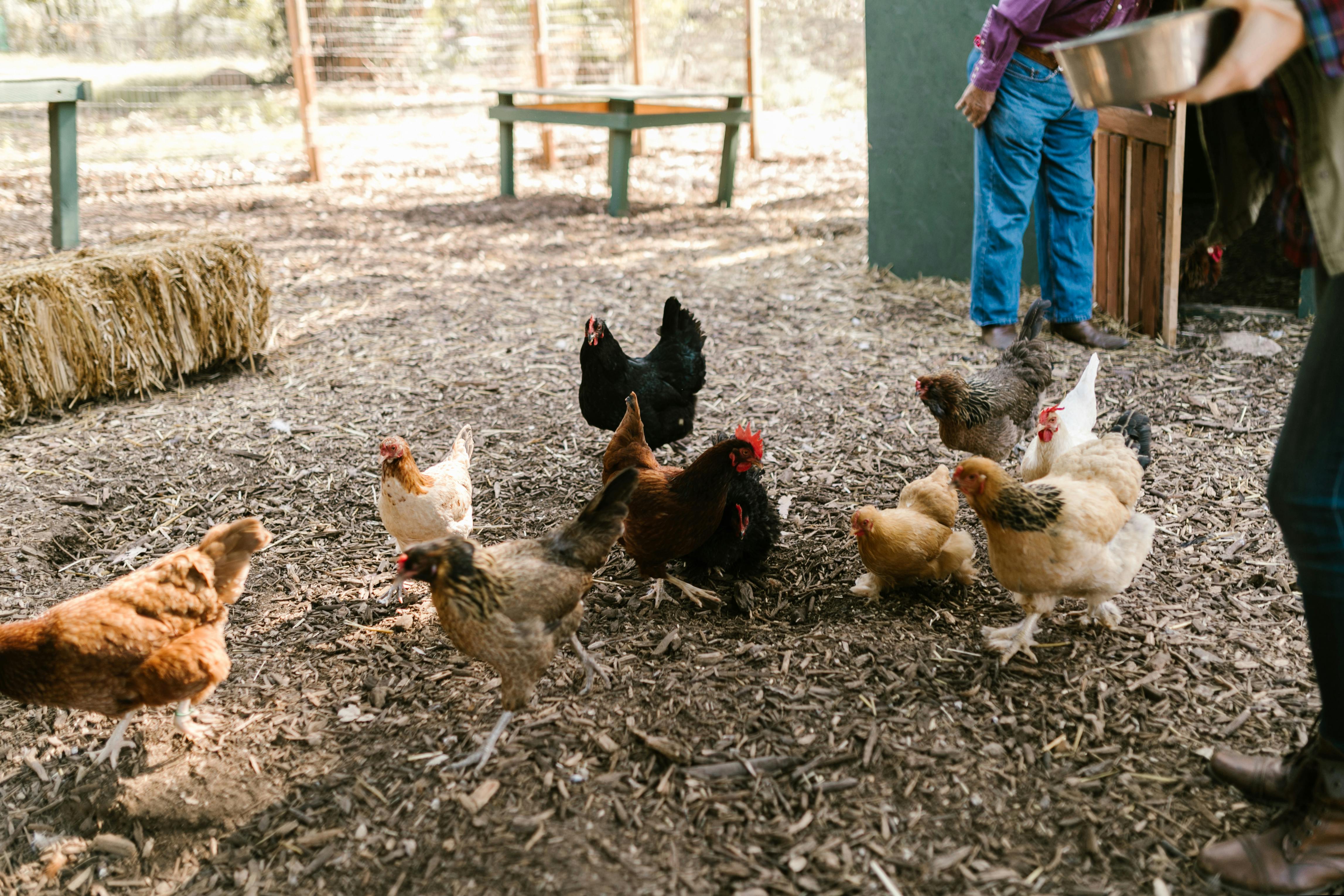
Nowadays, chickens are more popular to own, especially Silkies, as they are known to be very affectionate, sweet, and calm pets. Although all chickens are capable of that depending on their breed personality and how they’re raised, they can be super affectionate and full of character. Chickens, in my experience, are wonderful pets, and a bonus that comes with chicken-keeping is fresh eggs!
If you’ve decided that you want chickens, before you start buying some make sure you check if it’s allowed in your area, if so here are the basic equipment for chickens.
- A chicken coop - It’s essential to know where your future chickens are going to be living.
- Bedding - There are tons of options for bedding, although a bedding I don’t recommend is using pine shavings. In my personal experience, it made my chickens sick, and I had to remove it immediately.
- A heat source - Especially if you’re going to start your flock with chicks. They need warmth for the first 8 weeks.
- A feeder
- Food
- Water container
- Nutritional supplements
Optimal Chicken Feed by Age
When it comes to raising chickens providing them with the correct food is vital for their health. The dietary needs for chickens vary depending on their age.
For chicks from 0-8 weeks, its essential to feed them a starter feed. This is a feed formulated for their rapid growth and development. Starter feeds have higher levels of protein to support their muscle and feather growth, and the vitamins and minerals there is to ensure that your chicks stay healthy and chirping!
Then, when chicks reach about 8-16 weeks, they need to be transitioned to a grower feed. This feed is formulated to have slightly lower levels of protein than starter feed. It helps them further develop strong bones and muscles, preparing them for the next stage
Once chickens are 16-18 weeks old and are ready to start laying eggs, a layer feed is essential to support egg production, providing the needed nutrients like calcium and phosphorus for strong eggshells, and additional vitamins to support their reproductive health. Some layer feeds may have omega-3 to raise the nutritional value of the eggs.
Choosing Safe Heat Sources for Chicks
Heat lamps are commonly used as they’re more affordable. While heat lamps are effective at providing warmth, they can easily catch bedding materials or other flammable surfaces on fire if not properly secured or monitored. This risk makes them less ideal for chickens, which is why brooders are often preferred for their safety. Brooders are designed to provide a controlled and consistent heat source without the risk of fire compared to heating lamps. They typically use radiant heating or infrared bulbs that emit heat without direct exposure to the chicks, reducing the risk of burns or accidental fires. Additionally, brooders are usually enclosed or have protective covers, minimizing the risk to the chicks and surrounding environment even further.
So when choosing between brooders and heat lamps, in my opinion, brooders are a much safer heat source for your chickens to ensure a safe and successful chick-raising experience, and prioritizing your future flocks safety by preventing any potential fire.
Enhancing Chicken Health & Well-Being
In my experience, my chickens would always lay on top of their food and water containers, contaminating them with their own feces. It was time-consuming to clean them daily. When you buy containers, I recommend purchasing anti-roost ones. It will save you so much time from having to clean them and save you money from having to throw out their contaminated food.
Chickens, like all birds, have a sensitive respiratory system. This makes them prone to respiratory infections and diseases. One way I prevent this, as many others do, is by building their immune system. I like to use VetRx because it can be given to chickens in many ways—either applied on the skin or orally by adding it to water—it helps build their immunity. When your chickens are sick or stressed, it helps them fight off respiratory illnesses and prevents them. Another reason I like it is because it’s all-natural.
Chickens can get bored like us; they start to develop behavioral issues such as pecking each other, plucking out their feathers and increased aggression. It also affects them physically, if your chickens are bored there can be a decrease in egg production. In the winter is the time were most chickens get bored because they dont want to go out in the snow or cold, a good way to prevent boredom in chickens is to provide good space for them to free roam, toys like hanging vegetables, forging ball, and mirrors. and opportunities to forage while free roaming is a great way to get them clucking.